Classic Backgammon Online: A Timeless Board Game Worth Playing

TL;DR: Classic Backgammon brings the ancient strategy board game to your browser with clean visuals and smooth controls. You roll dice, move checkers, and race to bear off before the AI or a friend. It loads fast, plays well, and captures the real backgammon feel without fuss. A few quirks with the doubling cube exist, but it's a solid pick for quick, brainy fun.
I'll admit it. I lost my first three games in a row. Not because the game cheated, but because I got cocky. I forgot a basic rule about bearing off and left a blot wide open. My opponent (the AI on medium) pounced, sent me to the bar, and I never recovered. That moment sold me on this version of Classic Backgammon. It doesn't hold your hand. If you want a digital board game that respects the original, you'll feel right at home here.
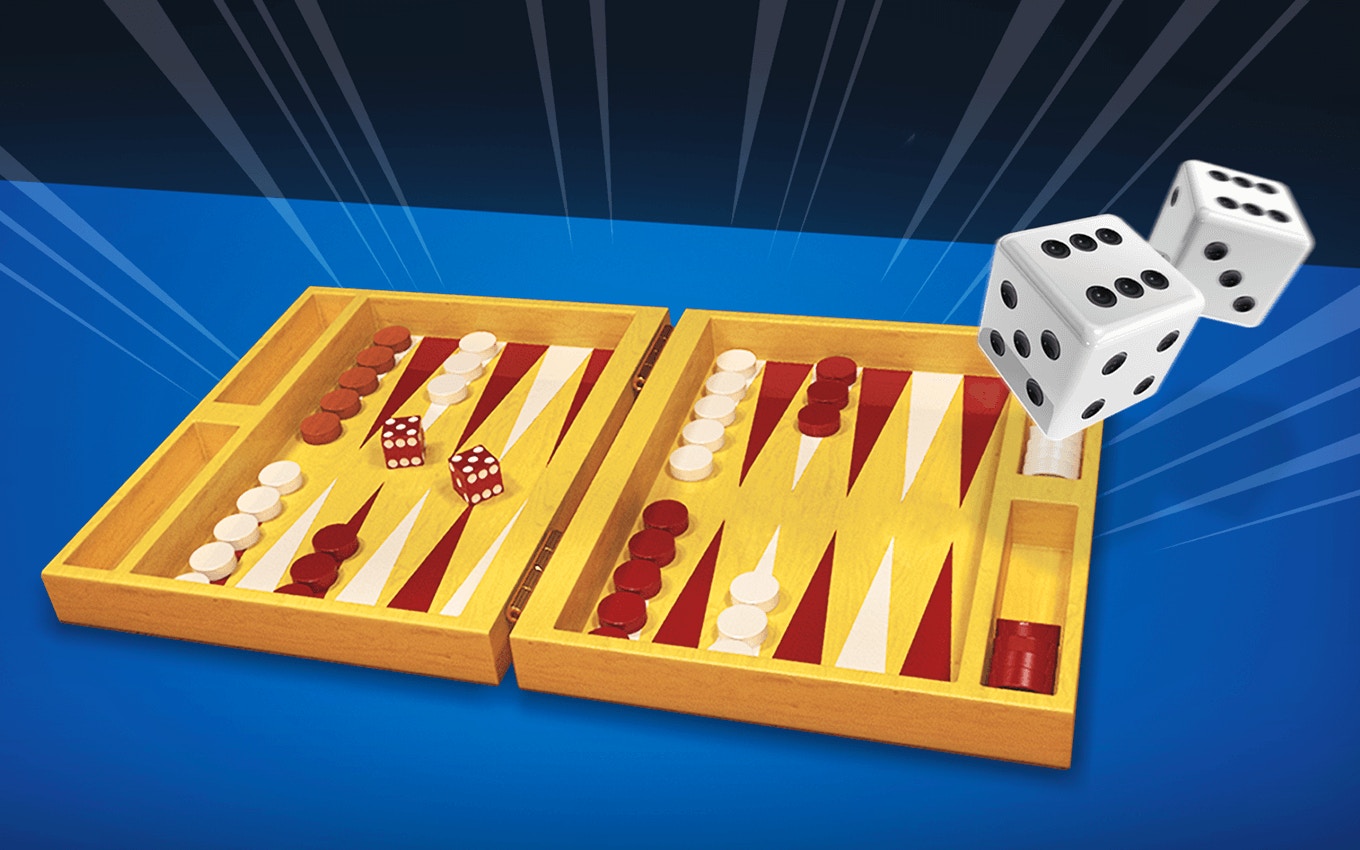
The game sits on a clean, uncluttered board. No flashing banners or distracting animations. Just you, the checkers, and the dice. It's the kind of setup that rewards a coffee break or a quiet evening. You can play Classic Backgammon against a computer opponent or a friend locally, which is a nice touch.
What is Classic Backgammon?
Classic Backgammon is a digital version of the 5,000-year-old two-player strategy game. You and an opponent race to move 15 checkers around a board and bear them off first. The game mixes luck (dice rolls) with deep tactical choices about blocking, hitting, and running. This browser edition keeps the rules pure and the interface simple.
The goal never changes. Move your pieces from the far side of the board into your home quadrant, then roll exact numbers to remove them. The catch? Your opponent is doing the same thing in the opposite direction. You'll block their path, send their exposed checkers to the bar, and try to build primes (walls of consecutive points) to trap them. If you've played physical backgammon or apps like Backgammon NJ, the rhythm here is instantly familiar.
How do you play Classic Backgammon?
You click to roll two dice, then click a checker to see its legal moves highlighted on the board. Tap a destination point to move. The game enforces all standard rules: you must use both dice if possible, doubles give you four moves, and you can't land on a point occupied by two or more enemy checkers. Bearing off requires exact rolls once all your checkers are home.
What I noticed early on was how smooth the click-and-move system feels. There's no drag-and-drop awkwardness. The highlighted points glow a soft gold, making your options crystal clear. If you hit an opponent's blot (a single checker), they go to the bar and must re-enter before moving anything else. The game handles all this automatically, so you focus on strategy, not rulebook headaches. The doubling cube sits in the corner, though in my sessions against the AI, it rarely offered a double, which felt like a missed opportunity for high-stakes drama.
Tips That Actually Work After a Few Rounds
After getting crushed a few times, I adjusted my approach. Here's what actually helped me start winning rounds against the medium AI.
First, secure your 5-point and 7-point early. These are the anchors that make your opponent's life miserable. I used to race mindlessly toward home. Now I build a blockade first. Second, don't fear the bar. Getting hit isn't the end. Sometimes it resets your position advantageously, especially if your opponent's home board is weak. Third, count pips occasionally. You don't need to obsess, but knowing if you're ahead or behind in the race changes whether you break contact or hold your anchor. The AI plays a solid running game, so if you fall behind in pips, you need to slow it down with holding points.
Is Classic Backgammon good for beginners?
Yes, with a small catch. The game highlights legal moves, which helps newcomers avoid illegal plays. The interface won't let you break a rule. But there's no built-in tutorial or strategy guide. You need to know basic backgammon rules before jumping in. If you've never played, spend five minutes reading a rules summary first.
For casual players who know the basics, this is a low-pressure way to practice. The AI on easy mode makes questionable choices, giving you room to experiment. My partner, who plays maybe twice a year, beat the easy AI on her second try. She liked that the board never felt cluttered or confusing. If you're brand new to the game, pair this with a quick YouTube rules video and you'll be fine. Veterans might want a tougher AI, but for quick sessions, it hits the sweet spot.
The Look and Feel of the Digital Board
The board uses a warm wood texture with deep brown and cream points. Checkers are simple discs, white versus dark brown, easy to tell apart even on a small laptop screen. The dice appear in the center and animate with a quick tumble. No lengthy, skippable animations slow things down. The game respects your time.
Sound is minimal. A soft click when dice land, a subtle thunk when checkers move. I played most of my sessions with the sound on and never found it grating. After an hour, the background silence became noticeable. A little ambient music option wouldn't hurt. But the clean presentation keeps the focus on the board, which is exactly what a strategy game needs. The 800x600 landscape layout fits nicely in a browser tab without constant scrolling.
What could be better
The doubling cube feels like a ghost. It's there visually, but the AI rarely uses it, and the option to double yourself isn't always obvious. In real backgammon, the cube is a huge part of match play psychology. Here it's mostly decoration. Also, there's no match play scoring or scoreboard. You play individual games in isolation. If you want a running series against the AI, you'll need to keep track yourself.
Local multiplayer works fine if you have someone beside you, but there's no online matchmaking. This is purely a same-device or solo experience. For a free browser game, these are fair trade-offs. Just know what you're getting. If you want deep analytics or online ranked play, this isn't that. But for a focused, honest backgammon session, it delivers.
After a dozen games, I kept coming back. The game loads instantly from the more board games section, and I never saw an ad interrupt play. That alone puts it above many free alternatives. The AI provides enough resistance to keep you sharp, and the local multiplayer means my coffee table stays clear of checkers and dice. If you need a mental warm-up or a quiet duel, start playing here and see if you can avoid my early blunders. Then browse our games library for more hidden gems.
Frequently Asked Questions
Can I play Classic Backgammon for free?
Yes, the game is completely free to play in your browser. There's no download, no account required, and no paywall. Just visit the site and start rolling.
Does Classic Backgammon have multiplayer?
It offers local multiplayer on the same device. You and a friend take turns on one screen. There is no online matchmaking or remote play option in this version.
What are the AI difficulty levels?
The game includes easy, medium, and hard AI settings. Easy is forgiving and makes occasional blunders. Medium plays a solid fundamental game. Hard provides a stiffer challenge for experienced players, though it won't rival dedicated backgammon engines.
Does the game enforce standard backgammon rules?
Absolutely. All core rules are enforced: mandatory use of both dice, bearing off requirements, hitting blots, entering from the bar, and the doubling cube (though the AI rarely initiates doubles). You can't make an illegal move.
Can I play on my phone or tablet?
The game is designed in landscape orientation at 800x600 resolution. It works on mobile browsers, but the layout is best suited for desktop or tablet screens. On smaller phones, you may need to zoom or scroll slightly.
Table of Contents
Recent Posts

Retro Speed: A Thrilling Racing Fix for Busy Days
16 hours ago
Arcade Thrills in Pixels: Steve Adventurecraft Review
16 hours ago
PDF to JPG Blurry? How to Convert a PDF Page With Sharp Text
1 day ago
Surviving the Desert: A Fun Idle Adventure
1 day ago
Balloon Smash: Casual Fun with a Thorn Twist
1 day ago
Hidden Object Puzzle Fun with Grimace Shake
2 days ago