Double Checkers Review: A Smart Twist on the Classic Game

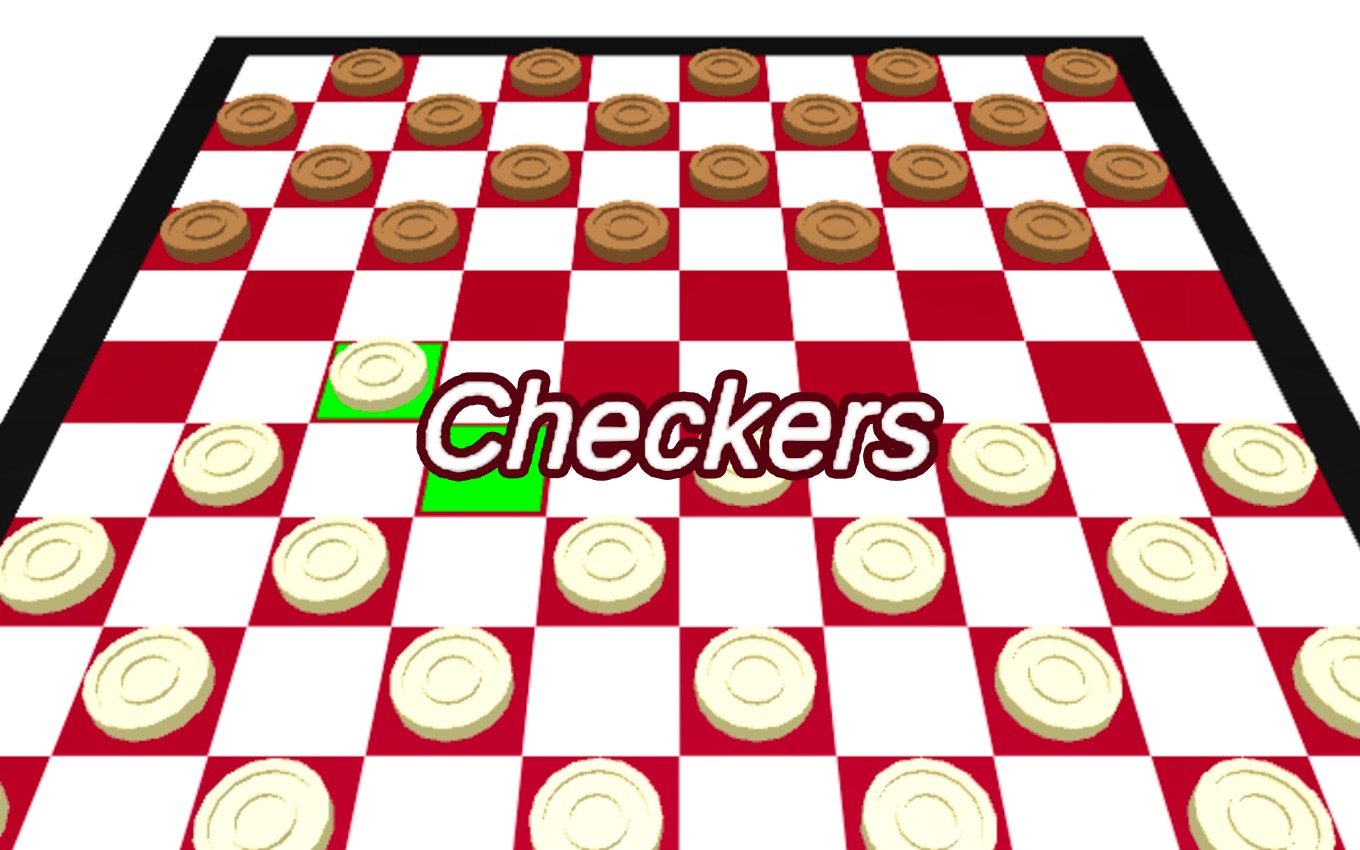
TL;DR: Double Checkers transforms traditional checkers by stacking two boards at once. Every move ripples across both boards, creating a layered strategy that rewards thinking ahead. The rules are simple but the gameplay is surprisingly deep. If you want quick brain exercise or a fresh take on a classic, this delivers.
I picked up Double Checkers on a slow afternoon expecting nothing more than a few quick matches. What I found was a surprisingly sharp puzzle wrapped in familiar checkers clothing. Right away, the dual-board setup forced me to stop thinking in straight lines. One jump on the top board could open or close a whole angle on the bottom board. That moment of realization, about three moves into my first game, hooked me completely.
What is Double Checkers?
Double Checkers is a strategic board game that runs two checkers boards at the same time. Every piece you move affects both boards simultaneously, creating a layered puzzle where simple moves carry compound consequences. The core goal mirrors traditional checkers: capture your opponent's pieces and clear the board. But managing two boards at once turns a familiar game into something that demands sharper foresight.
The setup feels familiar at first glance. The boards sit side by side, and piece movement follows standard checkers rules. What changes everything is the dual-layer effect. A piece on one board can block, protect, or threaten a piece on the other. You cannot ignore either board because progress on one can evaporate if you neglect the other.
How do you play Double Checkers?
You move pieces diagonally on each board, jumping over opponents to capture them. Mandatory captures still apply, so you cannot skip a chance to take an enemy piece. The twist is that each board operates independently for movement but shares your overall strategy. When you jump on the top board, the bottom board keeps moving too. You must track both states and plan accordingly.
Winning requires clearing one board of your opponent's pieces. But since both boards interact, a strong position on one board often depends on how you played the other. Chain jumps are possible on each board separately. You can also force your opponent into bad positions by creating cross-board threats they cannot answer on both fronts simultaneously.
Tips That Actually Work
First, resist the urge to focus entirely on one board. I made that mistake in my second match and watched my opponent dismantle my bottom board while I was busy on top. Keep your attention split and check both boards before committing to any move.
Second, look for cross-board captures early. If you can jump on one board and that same piece now has a shot on the other board, prioritize that setup. These compound captures build momentum fast and put your opponent in a reactive spiral.
Third, use the dual boards to create dilemmas. Position a piece so your opponent must choose which board to defend. Skilled play means forcing decisions that cost them something on the neglected board.
Is Double Checkers good for solo practice?
Yes. The game works well for solo sessions because the dual-board mechanic keeps your brain engaged even without an opponent. You can experiment with risky strategies, test defensive setups, and build intuition for cross-board patterns. Playing against the AI lets you practice at your own pace without waiting for someone else.
The solo experience differs from multiplayer in one important way. Without a human opponent reading your moves, you learn the game's patterns more naturally. I found my first solo sessions built habits that made multiplayer feel smoother once I understood how the boards interact.
What does the experience feel like?
The first few minutes feel almost disorienting. Your brain wants to track one board at a time, but the dual setup pulls your attention in two directions. Within a match or two, that discomfort shifts into something closer to flow. You start seeing the boards as one interconnected space instead of two separate games.
The interface keeps things clean. Boards are easy to read, pieces move smoothly, and there is no clutter fighting for your attention. The audio stays minimal, which works fine for a strategy game where you need to think. After a few matches, the whole experience feels like a mental workout that does not exhaust you.
One honest note: the music, if present, can loop noticeably during longer sessions. I found myself playing with sound off after the first couple of matches. The gameplay does not suffer for it.
Final Thoughts
Double Checkers takes a game everyone knows and adds genuine strategic weight. The dual-board mechanic is not a gimmick. It changes how you think about every move and rewards players who can hold two boards in mind at once. The rules are simple enough for anyone to learn, but the depth keeps surprising you even after multiple sessions.
If you want something light with real substance underneath, this hits that mark. It works for quick breaks and extended play equally well. The solo mode makes it easy to practice and improve without scheduling a match with someone else.
Give Double Checkers a try if you are looking for a fresh challenge on familiar ground. ▶
Frequently Asked Questions
What makes Double Checkers different from regular checkers?
Double Checkers runs two boards simultaneously and every move affects both. This creates layered strategy where progress on one board depends partly on how you play the other. It transforms familiar checkers rules into a more complex puzzle.
Can I play Double Checkers alone?
Yes. The game includes a solo mode where you practice against AI. This helps you build intuition for cross-board patterns and test strategies at your own pace before playing against others.
How do I win in Double Checkers?
You win by capturing all of your opponent's pieces on one board. Since both boards interact, maintaining strong positions on both while pressuring your opponent requires constant tactical awareness.
Is Double Checkers suitable for beginners?
Yes. The rules follow standard checkers movement, so anyone familiar with the basics can start playing quickly. The dual-board twist adds challenge without overwhelming new players.
Who should play Double Checkers?
Players who enjoy strategic board games and want something with more depth than standard checkers will find this rewarding. It suits both casual matches and serious strategy sessions. If you prefer purely luck-based games, this is not the right fit.
Table of Contents
Recent Posts
Racing Against Time: A Thrilling Bridge-Building Challenge
13 hours ago
Mining Rush: A Surprisingly Addictive Strategy Game
1 day ago
Futuristic Archery Fun: Archer 2023 Review
1 day ago
Basketball Twist: Can You Master Drop Dunks?
2 days ago
Survive the Zombie Hordes in This Addictive Shooter
3 days ago
Hoop Dreams in Your Pocket: Dunk Hoop Review
3 days ago