Drop the Number Review: A Fresh 2048 & Sudoku Hybrid
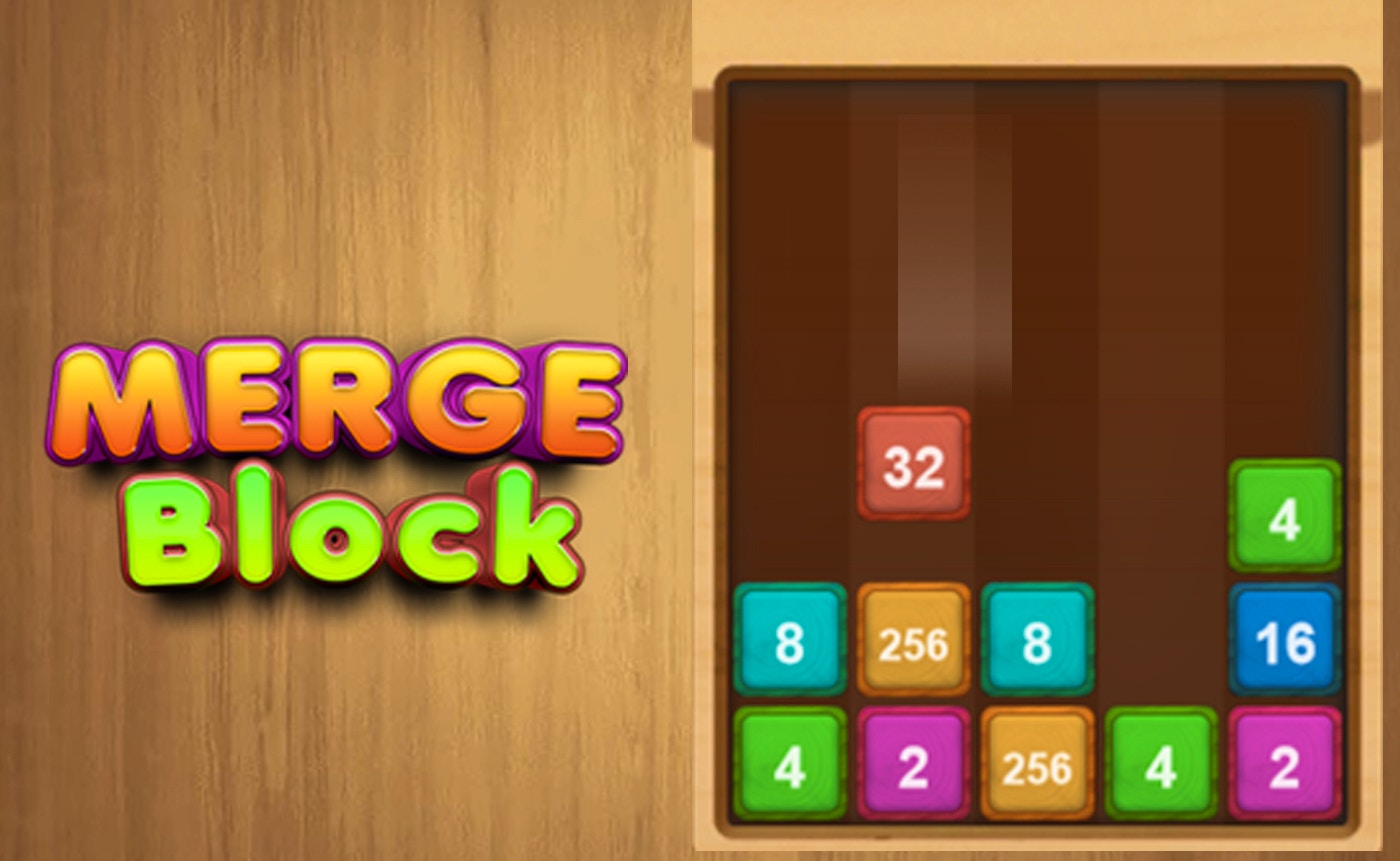
TL;DR: Drop the Number - Merge Game mixes 2048 merging with Sudoku-like column logic. You drop numbered tiles into a grid, fuse matching pairs, and chase high scores. It's a portrait-mode browser game that starts calm but gets frantic fast. If you enjoy number puzzles and quick thinking, this one clicks. Not for deep strategy fans, but perfect for 5-minute brain breaks.
I stumbled onto this game during a slow afternoon, looking for something that wasn't another match-three clone. The name caught my eye. Drop the Number. Merge Game. Simple enough. I figured it would be another 2048 spin-off, and honestly, I was half right. But within the first 30 seconds, I realized there was more going on here. The tiles fall from the top, sure, but you control where they land. That tiny twist changes everything.
After my first session, I had that familiar "just one more round" itch. The game sits in that sweet spot between casual and clever. You don't need tutorials or a manual. You just start dropping numbers and the rules reveal themselves naturally. What surprised me was how quickly the board fills up. One bad placement and suddenly you're scrambling. Let's break down what makes this title tick and whether it deserves a spot in your daily rotation.
What is Drop the Number - Merge Game?
Drop the Number - Merge Game is a browser-based puzzle game that combines the merging logic of 2048 with the spatial thinking of Sudoku. You drop numbered tiles into a vertical grid, where matching numbers fuse into higher values. The goal is to keep merging, clear space, and survive as long as possible without filling the board. It's played in portrait mode at 600x800 resolution, making it a natural fit for phone browsers.
The game pulls inspiration from two beloved puzzle genres. The merging mechanic echoes Threes and 2048, where identical numbers combine to form their sum. But unlike those games, you don't swipe a full board. Instead, individual tiles descend one at a time, and you choose the column. That column-based placement is where the Sudoku influence creeps in. You start thinking in vertical stacks, planning merges two or three moves ahead. It's a hybrid that feels familiar but plays differently enough to stand out.
Visually, it's clean and minimal. No flashy animations, no distracting backgrounds. Just numbers, a grid, and your next tile preview. The portrait orientation makes one-handed play comfortable. I tried it on both desktop and mobile, and the mobile experience felt more natural. The 600x800 canvas fits phone screens perfectly without any awkward pinching or zooming.
How do you play Drop the Number - Merge Game?
You tap or click a column to drop the current number tile into that slot. When two identical numbers land next to each other vertically, they merge into one tile with double the value. Your next tile appears in a preview box at the top, so you always know what's coming. The game ends when any column overflows and tiles can't drop further.
On my third try, I learned the hard way that stacking high numbers at the bottom is a trap. I kept a nice 128 tile sitting pretty in the corner, thinking I was clever. Then a cascade of low numbers filled the column above it, and I had no way to reach that 128 for a merge. The board locked up fast. What I noticed early on was that the game punishes hoarding. You need to keep columns fluid. Merges clear space, and space is everything.
Controls are dead simple. On desktop, you click the column. On mobile, you tap it. There's no drag, no swipe, no complicated gestures. The hitbox for each column is generous, so even on a smaller phone screen, I rarely mis-tapped. The preview tile sits prominently at the top center, and a subtle highlight shows where your next drop will land before you commit. That preview mechanic is crucial. Use it. Don't rush drops without checking what's coming next.
Tips That Actually Work After Playing for an Hour
Keep your highest numbers near the center columns, not the edges. This gives you more merge options from both sides. I started by favoring the leftmost column out of habit, and my games ended twice as fast. Center placement opens up adjacent columns for chain merges.
Watch the preview tile like a hawk. The game shows you exactly what number drops next. If it's a 2 and you have 2s scattered everywhere, you have flexibility. If it's a 64 and your board is cluttered with low numbers, you need to create a landing spot fast. Panic-dropping high tiles into random columns is a quick way to lose.
Build vertical chains, not horizontal sprawl. A column with 2, 2, 4 stacked neatly merges upward in one satisfying cascade. Spreading numbers across every column leaves you with isolated tiles that can't fuse. Think in stacks. The Sudoku comparison isn't just marketing fluff. You really do start scanning columns for merge potential the way you scan Sudoku rows for missing digits.
Don't obsess over one giant number. Chasing a 512 tile feels great, but the game rewards consistent mid-value merges more than one towering stack. I had a round where I merged up to 256 but lost immediately after because the rest of the board was a mess. My highest scores came from steady 16s and 32s across multiple columns, not a single flashy tile.
Is Drop the Number - Merge Game good for quick breaks?
Yes, this game excels as a short-session puzzle. Rounds last anywhere from 90 seconds to five minutes, depending on your skill. There's no save system, no levels, no progression gates. You open the page, play a round, and either beat your high score or not. It's ideal for coffee breaks, waiting in line, or resetting your brain between tasks.
The instant loading helps a lot. No splash screens, no account creation, no tutorial pop-ups. I timed it: from clicking the play Drop the Number - Merge Game link to my first tile drop, it took under four seconds. That frictionless start matters when you're stealing five minutes between meetings.
One limitation worth noting: the game doesn't save your high score between sessions if you clear your browser data. There's no cloud sync or login. For a quick-break game, that's fine. But if you're the type who likes tracking progress over weeks, you'll need to remember your best score yourself or keep a note. It's a minor thing, but it surprised me after I closed the tab and came back to a blank slate.
How does the difficulty ramp up over time?
The difficulty doesn't come from faster drops or timers. It comes from the numbers getting larger and your board getting tighter. Early on, you get mostly 2s and 4s. Easy to merge, easy to clear. After about two dozen drops, 8s and 16s start appearing more frequently. By the mid-game, you're juggling 32s and 64s with fewer empty columns to work with.
What took getting used to was the transition from reactive play to proactive planning. In the first minute, you can drop tiles wherever and recover from mistakes. Around the three-minute mark, one wrong column choice cascades into a board lock within three more drops. The game doesn't warn you about this shift. It just happens. I lost three rounds in a row at roughly the same point before I realized I needed to change my approach.
There's no difficulty selector or mode toggle. Everyone gets the same curve. For casual players, the early rounds feel generous and forgiving. For puzzle veterans, the mid-game offers genuine tension. If you want a game that stays relaxed throughout, this might frustrate you after a few rounds. But if you enjoy that gradual squeeze, it delivers.
What makes this different from other 2048 games?
Most 2048 variants use a full-grid swipe system. You move all tiles at once in one of four directions. Drop the Number flips that by giving you single-tile placement control and vertical-only merging. The board doesn't shift sideways. Columns operate independently, which changes the strategic layer completely.
In classic 2048, you manage four-directional pressure. Here, you manage column height. A tall column isn't necessarily bad if the numbers are arranged for merges. A short column isn't safe if it's filled with mismatched values. The spatial thinking feels closer to Tetris or even Puyo Puyo than to traditional number-sliding puzzles.
If you've played Threes or 2048 and want something that uses similar merge logic but fresh tactics, start playing here. It won't replace those classics, but it carves out its own niche. The column-drop mechanic is simple enough to learn in one round and deep enough to keep you experimenting for dozens more.
Who should skip this game?
If you want deep strategy with multiple systems, meta-progression, unlockables, or a story, this isn't your game. It's a pure arcade-style puzzle. You play, you score, you restart. There's no currency to earn, no skins to unlock, no leaderboard to climb beyond your own personal best. That minimalism is a strength for some and a dealbreaker for others.
Also, if repetitive number visuals bore you, the aesthetic won't win you over. The tiles are clean but plain. No particle effects, no celebratory animations when you hit a big merge. I found the simplicity refreshing, but I can see how some players might crave more feedback and flair. The sound design is similarly sparse: subtle click effects and a soft merge chime. It works, but don't expect a soundtrack.
For anyone who enjoys logic puzzles, quick mental warm-ups, or the satisfaction of watching numbers combine into something bigger, this title hits its mark. If you're still exploring the 2048 genre, you can browse more 2048 games to compare styles and find your favorite.
After spending an hour with Drop the Number - Merge Game, I kept the tab open. That's my honest barometer for browser games. It didn't change my life, but it gave me a dozen satisfying rounds and a new high score I'm still trying to beat. The column-drop twist is smart, the difficulty curve is fair, and the instant accessibility makes it easy to recommend for short sessions.
If you have five minutes and want to test your spatial logic, give Drop the Number - Merge Game a try. No download, no signup, just numbers waiting to merge. And if puzzle games are your thing, explore more free games in the library for similar brain-teasers. ▶
Frequently Asked Questions
Can I play Drop the Number - Merge Game on my phone?
Yes, the game is designed for portrait mode at 600x800 resolution, which fits mobile screens perfectly. It works in any modern phone browser without downloads or app installs. Tap controls feel natural on touchscreens.
Does the game save my high score?
The game saves your high score locally in your browser during a session. If you clear your browser cache or cookies, the score resets. There is no cloud save or account system, so keep a note if you want to track progress long-term.
What happens when a column fills up?
When a column reaches the top of the grid and you can't drop another tile into it, the game ends immediately. You can still drop into other columns as long as they have space, but one full column is enough to trigger game over.
Are there power-ups or special tiles?
No, the game keeps it pure. There are no power-ups, bombs, wildcards, or special tiles. You only get numbered tiles that merge when matched. The challenge comes entirely from placement strategy and planning ahead.
Is this game similar to 2048 or Threes?
It shares the core merging mechanic where identical numbers combine into their sum. But instead of swiping a full grid, you drop individual tiles into columns. The vertical-only merging and column management make it feel distinct from traditional 2048 games.
Table of Contents
Recent Posts
Mega Prize Scratch Review: A Casual Gem Worth Scratching?
40 minutes ago
Red Ball Bounce Review: A Bouncy Platformer That Sticks
1 hour ago
Jewel Bubbles 3 Review: A Match-3 Game That Pops
1 hour ago
Jelly Rock Saga Review: A Sweet Match-3 Worth Your Break Time
1 hour ago
Super Nitro Racing 2 Review: Arcade Rally Thrills, 21 Tracks
1 hour ago
Sea Adventure Review: A Match-3 Fishing Quest Worth Your Time
1 hour ago