The Kid Millionaire Review: Math Trivia That Actually

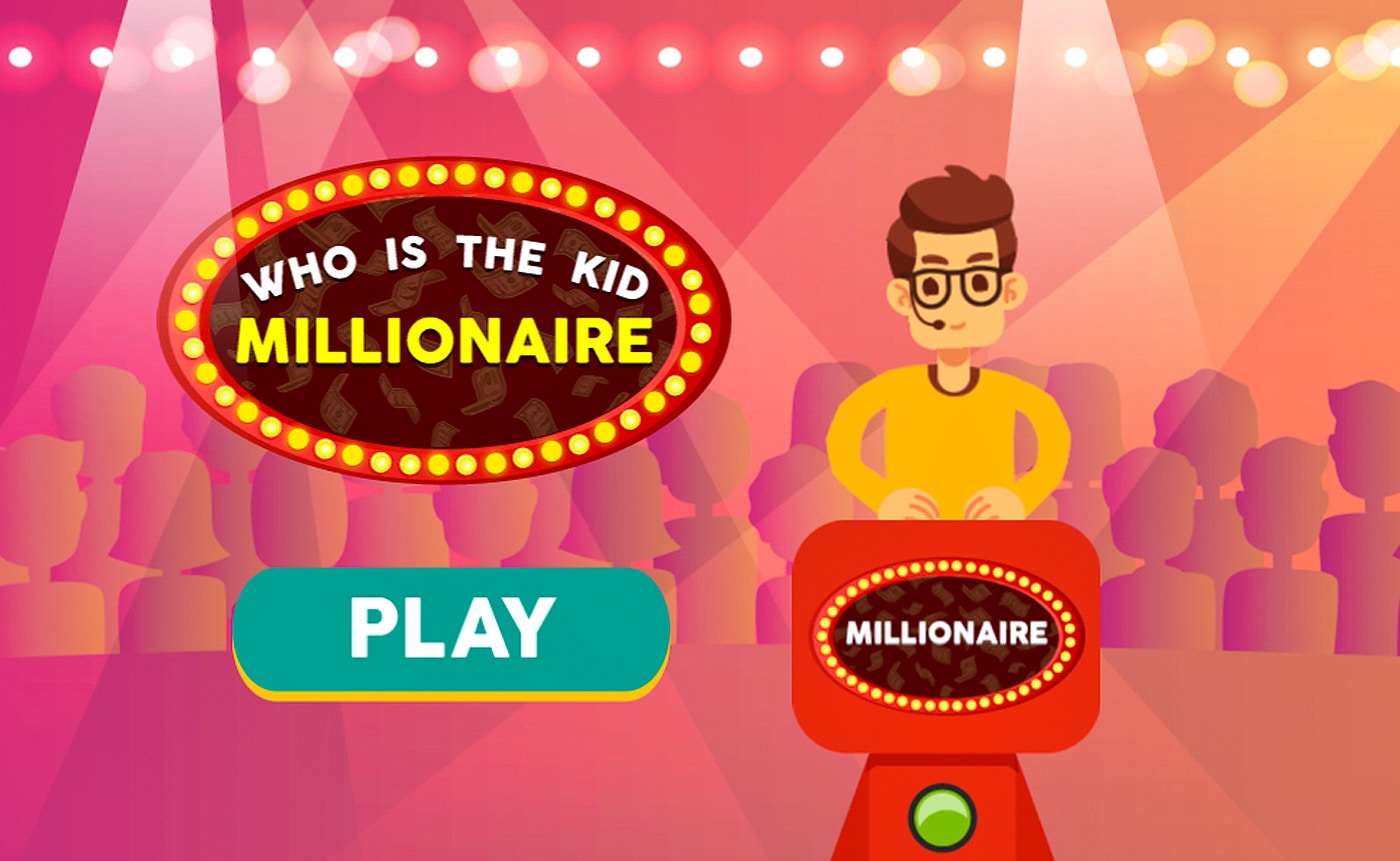
TL;DR: The Kid Millionaire is a browser-based math trivia game styled like a TV game show. Kids answer questions under a 30-second timer with lifelines like Ask the Audience. It's free, runs at 800x600, and works best for ages 8-12 who need low-pressure math practice. Not a deep strategy game, but it nails the quiz show vibe.
My nephew has been dodging his multiplication tables for weeks. I get it. Flash cards are boring. When I stumbled across The Kid Millionaire, I figured I'd test it before showing him. I played a few rounds before he even saw the screen. The timer ticking down from 30 seconds gave me a tiny jolt of pressure. I missed a question about prime numbers and actually felt annoyed at myself. That's when I knew this little browser game had something going for it.
It's a math game wrapped in a trivia show format. You get questions, you get lifelines, and you get a ticking clock. The whole thing runs in a landscape browser window at 800x600, so it fits nicely on a laptop or tablet. If you've played any quiz-style learning games before, the setup feels familiar. But the presentation here is what makes it click. It's polished enough to feel like a real show without being overwhelming.
What is The Kid Millionaire?
The Kid Millionaire is an educational browser game that blends math practice with a game show format. Kids answer trivia questions across different math topics while a 30-second timer counts down. The game includes classic lifelines like Ask the Audience and Phone a Friend to help with tough questions. It's designed to make math drills feel like entertainment rather than homework.
The game sits in the more math games section of FileReadyNow, a site that hosts free browser-based educational titles. The visual style mimics a television studio with bright lights and a stage feel. Questions cover arithmetic, number sense, and basic problem solving. The difficulty doesn't ramp up too aggressively, which keeps frustration low for younger kids. My first session lasted about 15 minutes before I realized I was voluntarily doing math. That's a win.
How Do You Play The Kid Millionaire?
You read a math question, pick an answer from multiple choices, and submit it before the 30-second timer expires. Each correct answer moves you forward. If you get stuck, you can use one of the lifelines. The game ends when you answer incorrectly or run out of questions. It's straightforward and takes about 30 seconds to figure out.
On my third try, I finally got into a rhythm. The controls are simple: click or tap the answer you want. No keyboard shortcuts, no hidden menus. The timer sits prominently at the top of the screen. What I noticed early on was how the lifelines actually change your approach. Ask the Audience gives you a rough consensus. Phone a Friend narrows things down. You can't spam them, so you have to decide when a question is worth burning a lifeline. That small resource management layer adds just enough strategy to keep things interesting.
Tips That Actually Work
After several rounds, I landed on a few approaches that help. First, don't touch the lifelines early. The first few questions are usually warm-ups. You'll regret burning Ask the Audience on a question you could have solved with five more seconds of thought.
Second, read the full question twice before looking at the answers. The timer feels aggressive, but 30 seconds is plenty for most questions. The real trap is rushing, seeing a familiar number in the choices, and clicking it. I did this twice and both times it was a distractor. Third, if you're playing with a kid, let them talk through their reasoning out loud. The game becomes a conversation starter. That's where the real learning happens.
Is The Kid Millionaire Good for Classroom Use?
Yes, with some limits. The game works well as a quick warm-up activity or a station rotation option for grades 2 through 4. The questions focus on foundational math, so it reinforces what kids are already learning. But it's not a full curriculum replacement. Think of it as a 10-minute practice tool, not a lesson plan.
Teachers will like that there's no login, no ads interrupting gameplay, and no student data collection. Kids can play The Kid Millionaire directly in a browser without any setup. The landscape orientation works on interactive whiteboards too. The limitation is the question pool. After several rounds, questions start repeating. That's fine for a single classroom session, but it won't hold attention across multiple days unless you space out the sessions.
What the Game Gets Right and Where It Stumbles
The show-style presentation is the best part. The timer sounds, the lifeline animations, and the general pacing all feel like a real quiz show. That framing matters. Kids who tune out during a worksheet lean in when it's a game. I watched my nephew play for 20 minutes without complaining once. That's not nothing.
The weak spot is the question variety. The math content is solid, but the phrasing gets predictable. After a few rounds, you start recognizing the patterns. The game also lacks a progress tracker or a high score board. A simple score tally or star rating at the end would go a long way. If you're looking for deep customization or adaptive difficulty, this isn't it. But for a free browser game that turns math into a game show, it delivers what it promises.
If you want a quick, cheerful math challenge, start playing here. If you're in the mood for something different, you can always browse our games library for more options. The math category has several other titles worth exploring too.
Frequently Asked Questions
Is The Kid Millionaire free to play?
Yes, the game is completely free. It runs in a web browser with no downloads, no accounts, and no payment required. You can start playing immediately from the FileReadyNow website.
What age group is The Kid Millionaire best for?
The game works best for children ages 7 to 10, roughly grades 2 through 4. The math questions focus on basic arithmetic, number patterns, and simple math facts that align with early elementary curriculum.
How long does a typical game session last?
A single session usually runs between 5 and 15 minutes depending on how many questions you answer correctly. Each question has a 30-second timer, and the pace feels quick but not stressful.
Can The Kid Millionaire be played on a tablet?
Yes, the game is designed in landscape orientation at 800x600 resolution, which works well on tablets and laptops. The touch controls are simple enough for tapping answers on a screen.
What math topics does The Kid Millionaire cover?
The game covers basic arithmetic, number recognition, simple word problems, and early math concepts. It's meant for reinforcement and practice rather than teaching new topics from scratch.
Table of Contents
Recent Posts

Get Ready to Ride: Skateboard Wheelie Review
23 hours ago
Fun Shopping Fun: Review of Funny Shopping Supermarket
23 hours ago
Racing to Fun: A Look at Super Star Body Race
1 day ago
Hoop Dreams: Basketball Master 2 Review
2 days ago
Retro Speed: A Fast-Paced Racing Fix for Busy Days
2 days ago
Coffee Stack 1: A Fun Casual Game to Pass the Time
3 days ago