Candy Bounce Review: Sweet Arcade Hoops You'll Actually Play

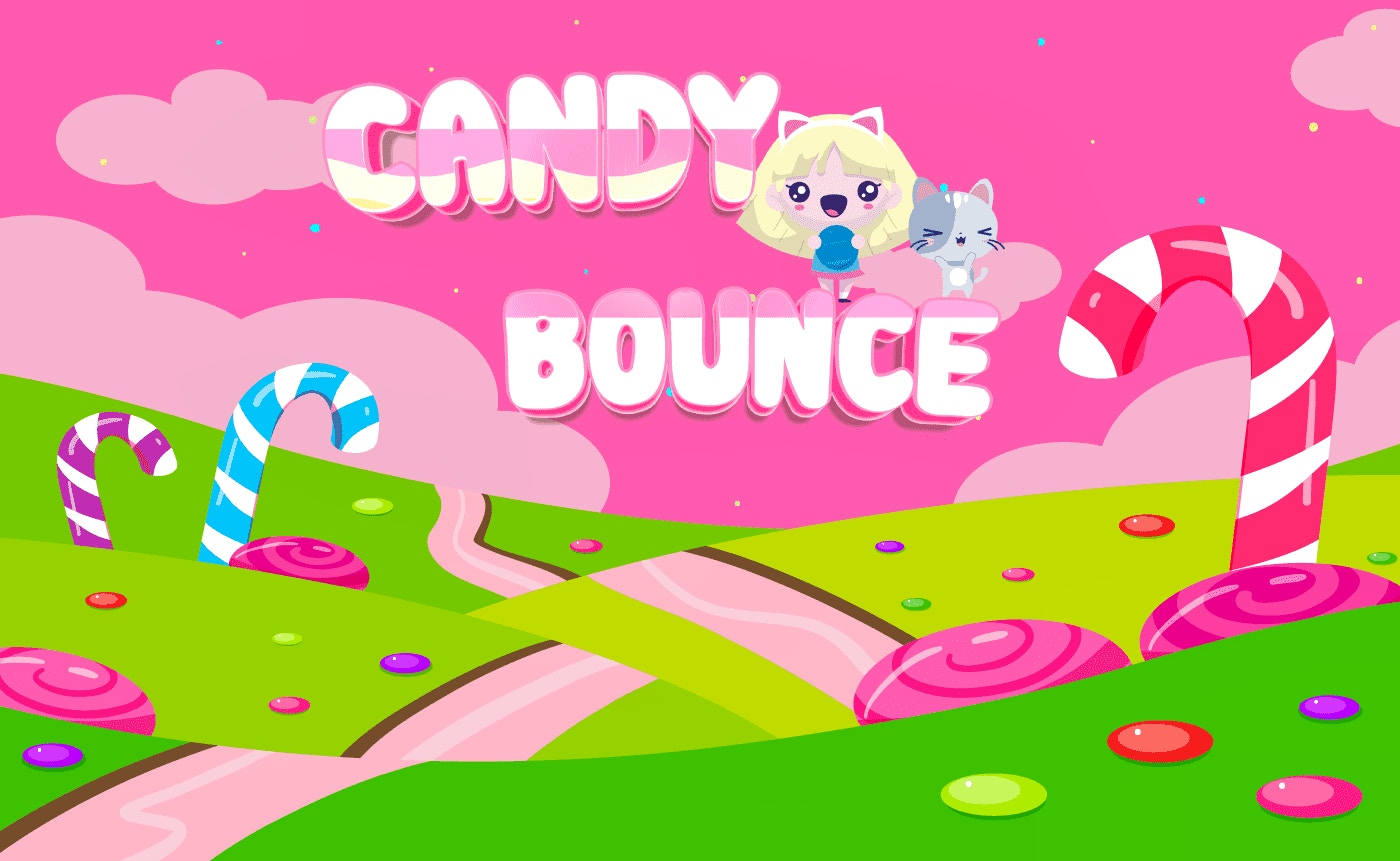
TL;DR: Candy Bounce is a portrait-mode arcade game where you flick candies into basketball hoops. It mixes simple one-touch controls with bright visuals and upbeat sounds. Levels get trickier fast, but the core loop is satisfying for quick breaks. Not a deep sim, but a solid pick for casual score chasing.
I stumbled on Candy Bounce during a lunch break, looking for something that wouldn't need a tutorial. The name caught me first: candy plus basketball? That's either a mess or a genius combo. After my first session, I was still flicking candies ten minutes later. The game knows what it wants to be and doesn't pretend otherwise. It's a quick-hit arcade experience wrapped in a sugary theme, and it mostly delivers.
You won't find complex menus or lore here. You tap, you play, you score. The setup is immediate. What surprised me was how the simple act of aiming a striped candy ball felt oddly tactile, even on a touchscreen. The game runs in portrait mode at 600x800, which makes it feel right at home on a phone held in one hand. If you browse our games library, you'll spot this one quickly: it stands out with its candy-colored palette.
What is Candy Bounce?
Candy Bounce is a candy-themed arcade basketball game built for portrait play. You flick colorful candies toward moving hoops, racking up points across increasingly tricky levels. It blends the swipe-to-shoot mechanic of games like Paper Toss with the sugary aesthetic of match-three titles. The goal is simple: sink shots, beat your high score, and push through stages without missing too many attempts.
Think of it as a skill-based arcade title rather than a puzzle game. There's no matching, no grid. Just you, a candy, and a hoop that might drift sideways when you least expect it. The game sits comfortably in the more arcade games category, where reflexes and timing matter more than planning.
How do you play Candy Bounce?
You play Candy Bounce by swiping upward on the screen to flick a candy toward a basketball hoop. The angle and speed of your swipe control the arc. Each level gives you a limited number of candies to reach a target score. Hoops can move, shrink, or appear in unexpected spots. You adjust your aim on the fly, and the game tracks every make and miss.
My first few shots sailed way past the hoop. I was over-flicking. The physics have a light, bouncy feel: candies don't drop like heavy basketballs. They float a bit. Once I dialed back my swipe strength, shots started falling. The hitbox around the rim is forgiving on early levels, which helps you feel competent fast. Later stages tighten that margin. A small arrow indicator near the candy hints at your last swipe direction, which is a nice touch for correcting aim between shots.
Tips That Actually Work After a Few Rounds
I played through the first dozen levels and learned a few things the hard way. Here's what helps.
First, treat your swipe like a gentle lob, not a slingshot. The candy doesn't need much force. Short, controlled flicks beat wild swipes every time. Second, watch the hoop's movement pattern before you shoot. Most hoops drift in a predictable loop. Wait for the moment it pauses or slows. That's your window. Third, don't rush your last few candies. When you're close to the target score, the pressure makes you fling blindly. Take the extra half-second to aim. Missing your final shot by a pixel stings.
One quirk I noticed: the candy's shadow on the background helps judge depth. Use it. It's subtle but reliable. Also, the combo chime when you sink consecutive shots is genuinely satisfying. It made me want to chase streaks even when I'd already hit the level goal.
Is Candy Bounce good for quick gaming breaks?
Yes, Candy Bounce is excellent for short breaks. A single level takes 30 to 90 seconds. The portrait layout works one-handed, so you can play standing on a bus or waiting for coffee. There's no story to follow, no loadouts to manage. You open it, you flick candies, you close it. That simplicity is its strength for micro-sessions.
I tested it between tasks at my desk. Each round felt like a complete little experience, not a fragment of something bigger. The game doesn't punish you for leaving mid-session. That's rare in arcade titles that often chain levels together. If you need a 3-minute mental reset, give Candy Bounce a try and see if it fits your break rhythm.
What the Experience Actually Feels Like
The first 30 seconds feel cheerful. Bright pinks, blues, and yellows flood the screen. A bouncy little tune kicks in. The candy wobbles slightly before you touch it, like it's eager to fly. That small animation detail made me smile. The sound effects land somewhere between a carnival game and a mobile arcade cabinet: pops, chimes, and a happy little fanfare when you clear a stage.
After about 15 minutes, the music loop started feeling repetitive. It's catchy but short. I eventually muted it and played with just the sound effects, which worked fine. The visuals hold up better over time. Backgrounds shift every few levels, introducing new color schemes and hoop designs. One level swapped the standard hoop for a lollipop ring. That kind of visual variety keeps the candy theme from getting stale.
What took getting used to was the moving hoop speed jump around level 8. Early hoops drift lazily. Then suddenly one zips side to side like it's late for something. That spike caught me off guard. It's not unfair, just abrupt. Expect to fail a level or two at that point while your thumbs adjust.
Who won't enjoy Candy Bounce?
If you want deep progression systems, unlockable characters, or competitive leaderboards with seasons, this isn't your game. Candy Bounce keeps things minimal. There's no meta to grind, no power-ups to collect. The challenge comes purely from level design and your own consistency. Players who crave RPG elements or strategic depth will find it thin.
It's also not ideal for long, immersive sessions. After 20 minutes, the levels start feeling structurally similar even though the visuals change. The core loop is strong but narrow. For a 5-minute burst between meetings or while waiting in line, it nails the assignment. For a dedicated evening gaming session, you'll want something meatier. That's not a flaw: it's just the scope the game chose.
After a week of dipping in and out, I landed on this: Candy Bounce is a well-made arcade snack. It doesn't overstay its welcome, and it doesn't ask much from you. The controls are responsive, the theme is charming, and the difficulty curve mostly works. I wish the music had more variety, and I'd love a endless mode with randomized hoop patterns. But what's here is polished and honest about what it offers.
If you're hunting for a free, no-fuss game that respects your time, start playing here and see how many sweet shots you can sink. Then check out the rest of the arcade collection for more quick-play gems.
Frequently Asked Questions
Is Candy Bounce free to play?
Yes, Candy Bounce is completely free to play in your browser. There's no download required and no paywall blocking levels. You can start flicking candies immediately at the play URL.
Can I play Candy Bounce on my phone?
Absolutely. The game uses a 600x800 portrait orientation built for mobile screens. It works well in a phone browser with touch controls, and it's comfortable to play one-handed.
Does Candy Bounce have multiple levels?
Yes, the game includes multiple levels with increasing difficulty. Hoops move faster, appear in trickier positions, and the target scores rise as you progress. Visual themes also change to keep things fresh.
What makes Candy Bounce different from other basketball games?
The candy theme sets it apart. Instead of standard basketballs, you flick striped candies into colorful hoops. The physics feel lighter and floatier than typical ball-toss games, and the upbeat sound design gives it a distinct, playful tone.
Do I need to create an account to play?
No account or sign-up is needed. You visit the page, the game loads, and you start playing. There's no login gate or email requirement, which makes it easy to jump in for a quick session.
Table of Contents
Recent Posts
Surviving the Meme Monster: OBUNGA Game Review
11 hours ago
Surviving the Chilling Horrors of a Gothic Manor
11 hours ago
Audio Trimmer Online Free: Cut, Keep, or Remove Any Section
1 day ago
Get Ready to Ride: Skateboard Wheelie Review
1 day ago
Fun Shopping Fun: Review of Funny Shopping Supermarket
1 day ago
Racing to Fun: A Look at Super Star Body Race
2 days ago