The cost of using artificial intelligence could soon be heading lower—and for anyone who relies on AI-powered tools, that's a development worth watching.
According to recent reports, OpenAI is considering significant reductions to the per-token prices charged for ChatGPT and its underlying AI models. While the company has not officially announced new pricing, the discussions come at a pivotal moment as competition in the AI industry intensifies and major players race to attract users and developers.
For consumers, businesses, and software platforms that rely on AI, lower token costs could unlock more powerful features, higher usage limits, and better overall experiences without increasing subscription fees.
Why OpenAI May Be Cutting Prices
The AI market is becoming increasingly competitive. New model releases from rival companies have accelerated the industry's shift toward lower costs and greater accessibility.
As AI technology matures, businesses are no longer evaluating models solely based on performance. Cost efficiency has become a major factor in adoption decisions. Companies building AI-powered products need affordable access to high-quality models to maintain profitability while delivering value to customers.
OpenAI has also acknowledged that AI usage costs remain a concern for many organizations. Lower token pricing would help reduce barriers to adoption and encourage broader use of AI across industries.
The timing is particularly noteworthy as OpenAI reportedly prepares for future public market ambitions. Competitive pricing can help strengthen user growth, developer adoption, and overall market position.
Understanding AI Tokens
To understand why lower token prices matter, it helps to know what a token is.
When you interact with an AI model, both your input and the model's response are measured in tokens. A token represents a small unit of text, often equivalent to a few characters or part of a word.
Every prompt you submit and every answer generated consumes tokens. The more content processed, the higher the cost for the platform providing the AI service.
For example:
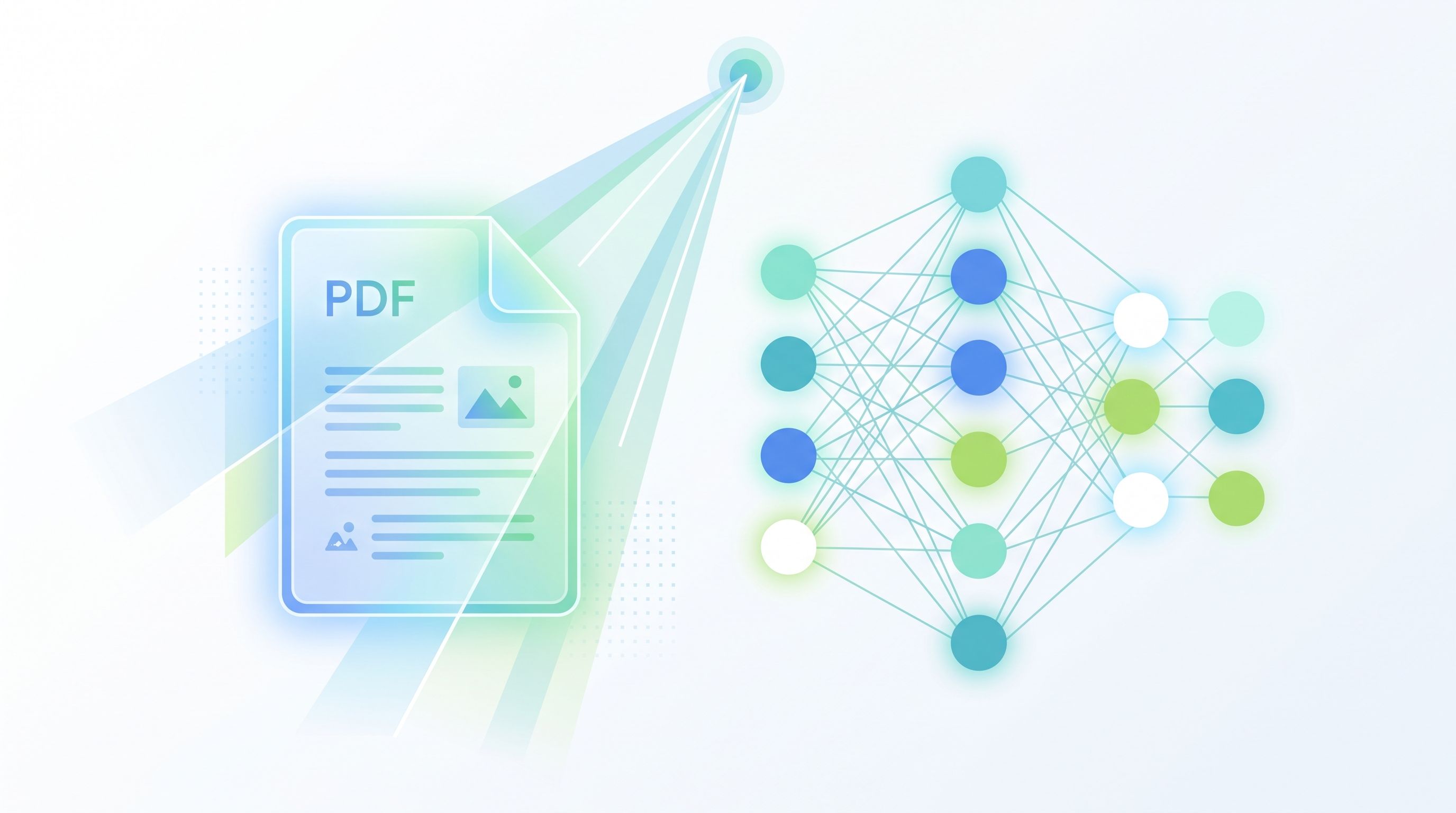
- Summarizing a lengthy PDF consumes thousands of tokens.
- Analyzing large documents requires even more tokens.
- Long conversations with AI assistants accumulate token usage over time.
- Generating detailed reports, emails, or research summaries increases token consumption.
These costs are typically paid by software providers and often influence product pricing, usage limits, and feature availability.
What Lower AI Costs Mean for Everyday Users
If OpenAI reduces token prices, users may benefit in several ways.
1. Higher Usage Limits
Platforms that currently restrict AI usage to control costs may be able to offer more generous limits. Users could process more documents, generate more content, and interact with AI more frequently.
2. Better AI Features
Developers would have greater flexibility to build advanced features without worrying as much about inference costs. This could lead to richer summaries, deeper document analysis, and more intelligent automation.
3. Faster Innovation
Lower operating costs often encourage experimentation. Startups and software companies can launch new AI-powered tools more quickly when infrastructure expenses decrease.
4. More Affordable Products
Reduced AI costs could eventually translate into lower subscription prices or more powerful free plans for users.
The Impact on Productivity Tools
Many productivity platforms rely heavily on AI to deliver features that save users time.
Document summarization, content generation, information extraction, and research assistance all require substantial AI processing behind the scenes.
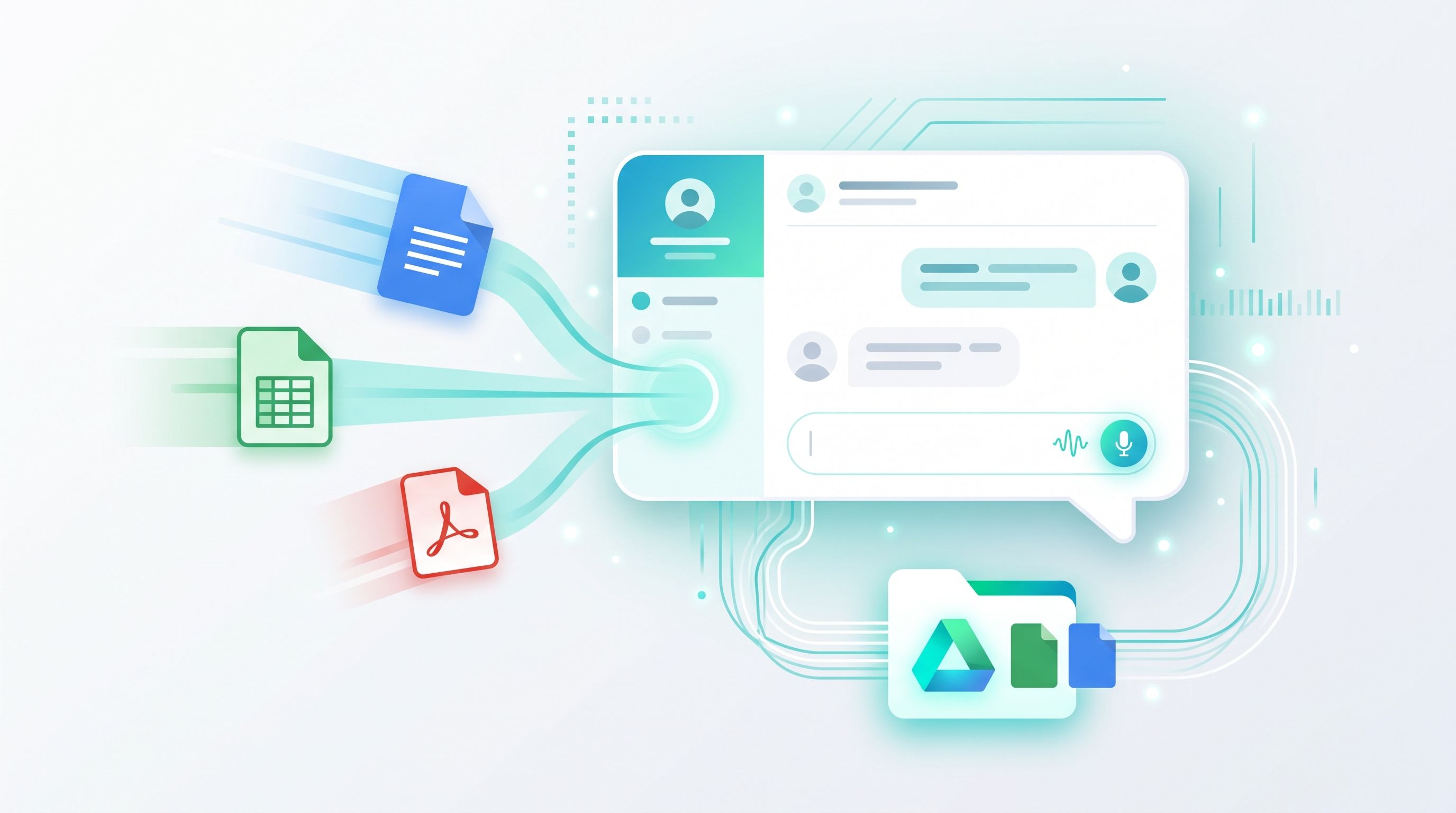
Take FileReadyNow's PDF summarizer as an example. Every page analyzed by an AI model consumes tokens. Lower token prices make it more economical for platforms to support:
- Longer documents
- More detailed summaries
- Additional languages
- Higher monthly usage limits
- Faster processing times
As AI becomes cheaper, software providers can focus less on managing costs and more on improving the user experience.
The Growing AI Pricing War
The broader AI industry is entering a phase where pricing may become as important as model quality.
Leading AI companies are competing on multiple fronts:
- Model intelligence
- Speed and performance
- Context window size
- Developer experience
- Pricing efficiency
As competition increases, users stand to benefit from lower costs and better products. Similar trends have occurred in cloud computing, data storage, and internet services, where competition ultimately drove prices down while capabilities improved.
Many analysts expect AI costs to continue declining over the coming years as hardware improves, infrastructure scales, and model efficiency advances.
What to Watch Going Forward
While reports suggest OpenAI is evaluating token price reductions, several important details remain unclear.
- No official pricing changes have been announced.
- The scale of any reductions remains unknown.
- Competitors may respond with their own pricing adjustments.
- Future model releases could reshape pricing strategies across the industry.
The next few months could be particularly significant as major AI providers continue competing for developers, businesses, and enterprise customers.
The Bottom Line
Cheaper AI is generally good news for everyone.
Whether you're a student researching a project, a professional managing documents, a developer building applications, or a business looking to automate workflows, lower token prices can make AI tools more accessible and more powerful.
Users may not notice these changes immediately, but the effects could be substantial over time. Better features, higher usage limits, smarter applications, and lower costs are all possible outcomes of a more competitive AI market.
As official announcements emerge, businesses and consumers alike will be watching closely. If AI becomes significantly cheaper, the next generation of productivity tools could become more capable than ever before.