Apple OpenAI Lawsuit Escalates as Both Sides Clash Over Confidential Data
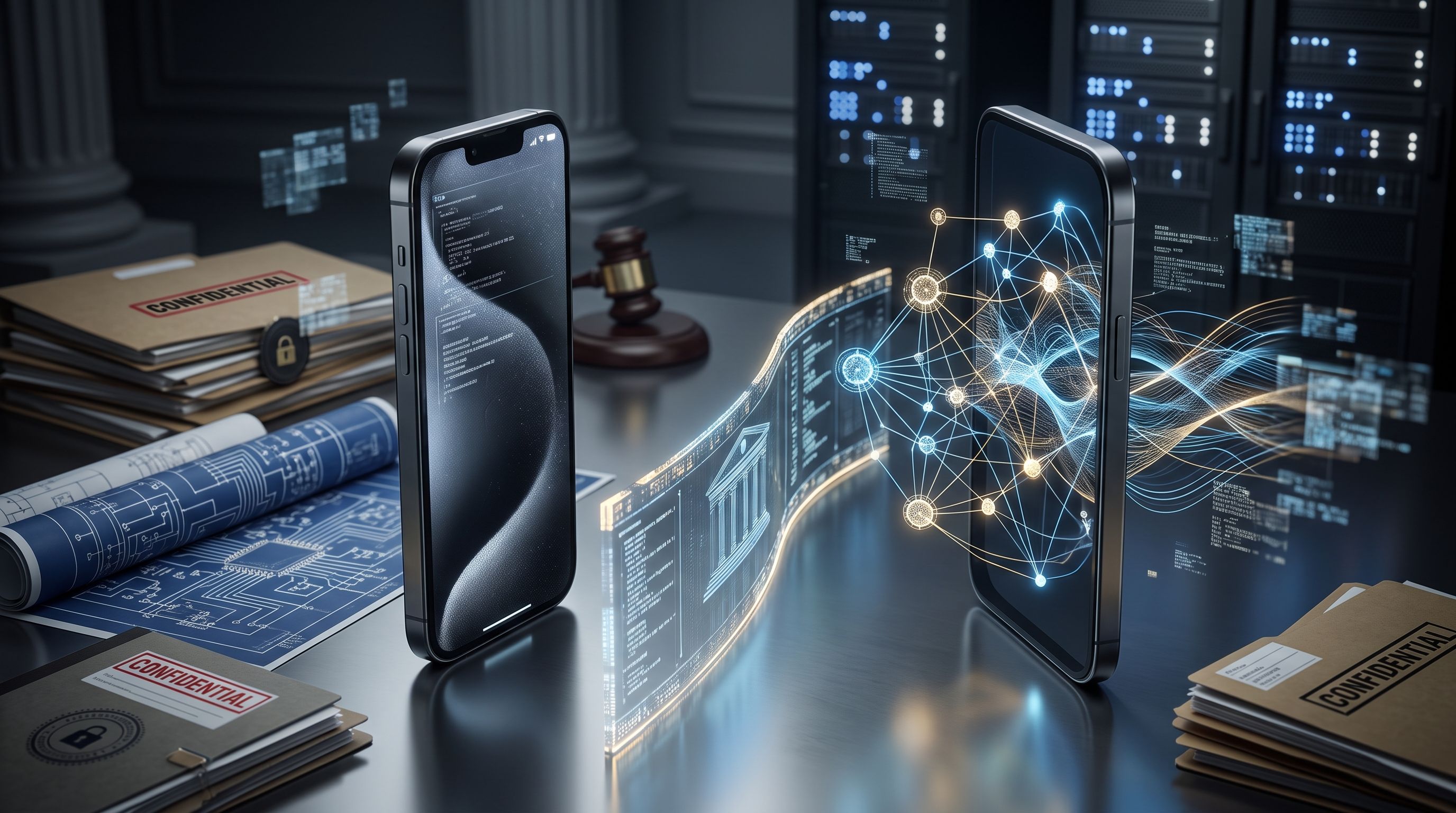
The Apple OpenAI lawsuit is escalating, with the two technology giants taking increasingly different positions over allegations involving confidential information and former Apple employees. OpenAI has now pushed back against Apple's claims in court, arguing that Apple has not shown that its trade secrets were stolen or misused.
Apple, meanwhile, has presented new allegations involving former engineer Chang Liu, including claims that confidential hardware information was accessed after he left the company and joined OpenAI. The developments add another layer to a dispute that is becoming increasingly important as OpenAI expands beyond AI software and moves toward consumer hardware.
Why Apple and OpenAI Are Fighting
The Apple OpenAI dispute centers on allegations that former Apple employees took or accessed confidential information after moving to OpenAI. Apple filed its trade-secret lawsuit in July, accusing OpenAI and two former employees of misappropriating information connected to its hardware and supply-chain operations.
Apple says the information could be relevant to OpenAI's growing hardware ambitions. The AI company has been expanding its focus beyond ChatGPT and software, including through its acquisition of io Products, the hardware company founded by former Apple design chief Jony Ive.
OpenAI has strongly denied that it needs or wants Apple's trade secrets. In its latest court filing, the company argues that Apple's allegations do not establish that confidential information was actually stolen or used by OpenAI.
OpenAI Pushes Back Against Apple's Trade-Secret Claims
OpenAI's latest response takes a direct approach to the Apple trade secrets lawsuit. The company argues that Apple has failed to substantiate its allegations and says the case should not be allowed to proceed based on general claims about former employees moving between technology companies.
OpenAI also argues that Apple's own policies around employee departures and access to company information are relevant to the dispute. According to OpenAI's court filing, former employees were able to retain or access certain information because of Apple's own data-handling and offboarding practices.
The company is asking the court to reject Apple's claims, while Apple is seeking access to additional evidence as it continues investigating what happened to its confidential information.
Apple Presents New Evidence Involving a Former Engineer
The latest development came after Apple examined a MacBook associated with former Apple engineer Chang Liu. Apple alleges that Liu accessed a confidential power-converter circuit schematic after leaving the company and while working at OpenAI.
Apple says the information was among the materials it believes may have been accessed improperly. The company has used the findings to strengthen its case and seek further discovery in the lawsuit.
These allegations are still being contested in court. OpenAI has disputed Apple's interpretation of the evidence, and the lawsuit has not resulted in a final finding that OpenAI stole or used Apple's trade secrets.
Why OpenAI's Hardware Plans Matter
The dispute would be significant even without the hardware angle, but OpenAI's growing interest in consumer devices makes the situation more closely connected to Apple's business.
OpenAI is no longer focused only on building AI models and services. Its work with io Products has increased expectations that the company could eventually introduce new AI-powered hardware designed around a different way of interacting with technology.
That puts OpenAI closer to an area where Apple has decades of experience. Hardware design, electrical engineering, manufacturing and supply-chain expertise are all closely guarded by companies competing in the consumer technology market.
The Apple OpenAI Lawsuit Is Also About Employee Data
One of the less visible parts of the case is how technology companies handle information when employees leave for another company.
Engineers, designers and product managers can have access to thousands of documents during their careers, including product specifications, research files, source material, engineering diagrams and internal reports. When employees move between competitors, separating personal information from confidential company data can become complicated.
The Apple OpenAI lawsuit shows why companies need clear policies for employee offboarding, device access and confidential documents. It also highlights the risks involved when sensitive files remain accessible after an employee has left a company.
What This Means for AI and Technology Companies
The case comes at a time when competition in artificial intelligence is expanding rapidly. Companies are competing not only over AI models but also over talent, computing infrastructure, chips, software and consumer hardware.
As AI companies move into new areas, confidential technical information could become even more valuable. A product specification or engineering document that appears insignificant on its own can reveal important details about how a future device is designed or manufactured.
For businesses, the situation is another reminder that important files should be handled carefully throughout their entire lifecycle, from creation and storage to sharing, conversion and deletion.
Why File Preparation and Security Matter
The Apple OpenAI legal battle also highlights a practical issue for anyone working with sensitive documents. Before a file is shared with another person or uploaded to an AI service, it is worth checking what information is actually inside it.
Large documents can also contain unnecessary pages, embedded images or other data that makes them harder to manage. Preparing a file first can make it easier to share, archive or work with.
For example, our PDF Compressor can reduce the size of large PDF files, while PDF to Word can convert PDFs into editable documents when a different format is more useful. FileReadyNow also provides a range of document tools for everyday file preparation.
What Happens Next in the Apple OpenAI Lawsuit?
The legal battle is still ongoing, and neither side has won a final decision on the underlying trade-secret allegations. Apple is seeking additional evidence, while OpenAI is challenging the basis of the lawsuit and asking the court to reject Apple's claims.
The case could eventually reveal more about how both companies manage confidential information, recruit employees and develop new hardware. It could also become an important example of how trade-secret disputes work when employees move between major technology companies.
For now, the biggest takeaway is that the relationship between Apple and OpenAI has changed considerably. What was once a technology partnership involving ChatGPT and Apple's ecosystem has developed into a legal fight over confidential information, employee movement and the future of AI-powered hardware.
Frequently Asked Questions
What is the Apple OpenAI lawsuit about?
The lawsuit concerns Apple's allegations that OpenAI and former Apple employees misappropriated confidential information and trade secrets connected to Apple's hardware and supply-chain operations. OpenAI denies the allegations.
Why did Apple sue OpenAI?
Apple says former employees who moved to OpenAI accessed or retained confidential information that could be relevant to OpenAI's growing consumer hardware ambitions. OpenAI disputes Apple's claims.
Did OpenAI steal Apple's trade secrets?
There has been no final court finding that OpenAI stole Apple's trade secrets. Apple has made allegations and presented evidence in the ongoing case, while OpenAI has denied wrongdoing and challenged Apple's claims.
What confidential information is Apple talking about?
Apple's allegations include confidential hardware and engineering information. In a recent filing, Apple specifically raised claims involving a power-converter circuit schematic allegedly accessed by former engineer Chang Liu.
Why is OpenAI interested in hardware?
OpenAI has been expanding beyond AI software and has increased its focus on consumer hardware. Its acquisition of io Products has added to expectations that the company could develop new AI-powered devices.
When will the Apple OpenAI lawsuit be decided?
The case is still developing, so there is no final decision on the underlying allegations yet. Further court proceedings and evidence gathering will determine how the case moves forward.
Source: Reuters reporting and court filings in the ongoing Apple-OpenAI trade-secret case.
Table of Contents
Recent News
Gemini 3.8 Flash Is Here: Same Price, Stronger Reasoning, and Better PDF Handling
1 week ago
ChatGPT Gets Major File Updates: Voice Uploads, Google Drive Sync, and Better
3 weeks ago
Adobe Acrobat Now Works Inside WhatsApp and ChatGPT, Bringing PDFs Straight Into Chat
1 month ago
Alibaba Launches Qwen3.8-Max: Its Largest and Most Capable AI Model Yet
1 month ago
GenOffice Launches as an Open-Source AI Office Suite for Editing and Managing Documents
1 month ago
Meta Launches Muse Spark 1.1 and Opens Public Preview of Its New Model API
2 months ago